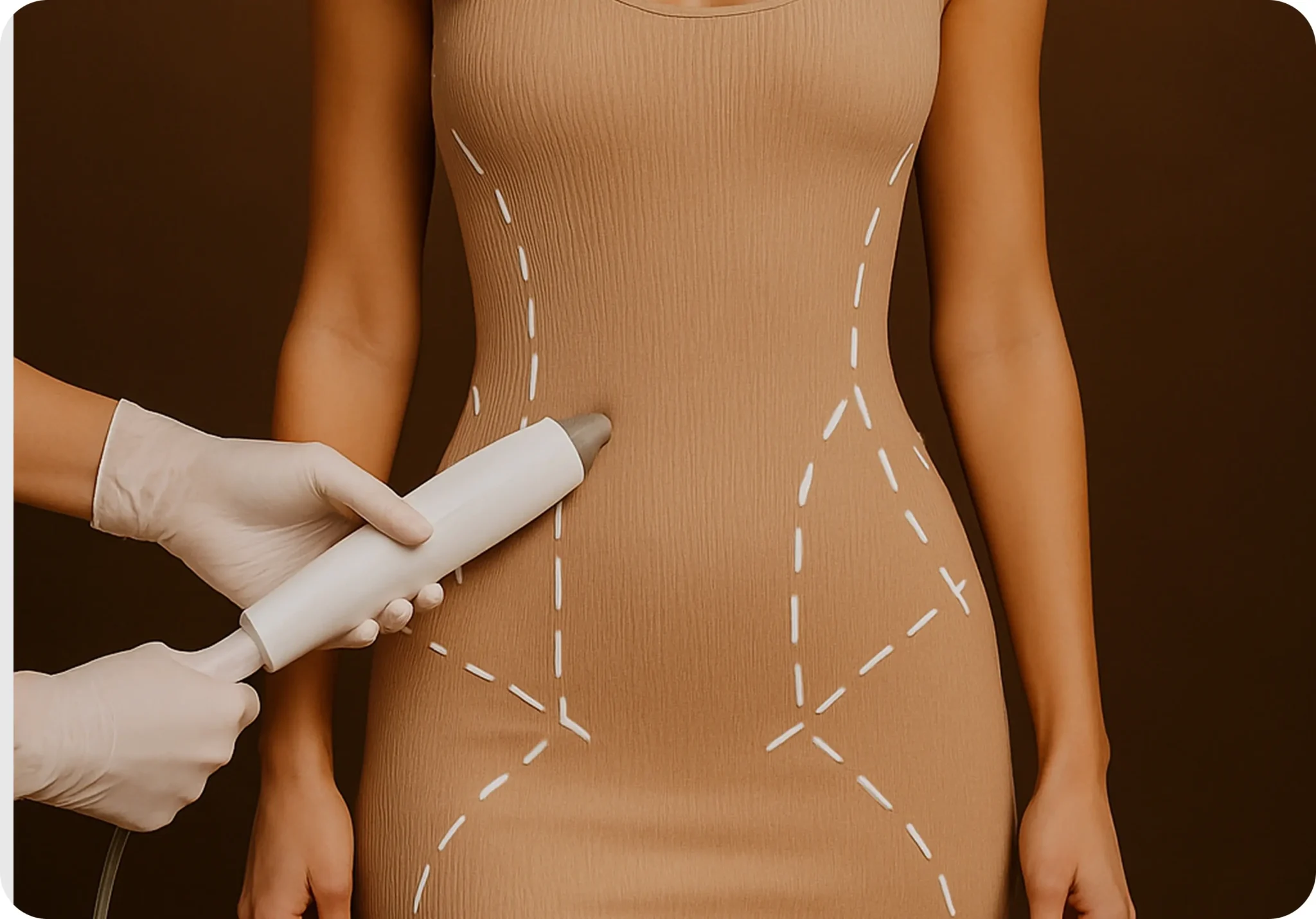
Body contouring has gained increasing attention in modern aesthetic medicine, as it has become an effective option for those seeking a more balanced and attractive physique. It aims to reduce fat and highlight the natural lines that give the body a striking appearance.
Today, techniques vary between precise surgical methods and non-surgical options that deliver noticeable results with minimal effort. Many people see body contouring as a solution to stubborn fat deposits in specific areas that are difficult to change through diet alone.
Body contouring also allows for sculpting the body in a way that harmonizes with individual features and natural proportions. Its importance continues to grow as people seek a well-proportioned appearance that enhances comfort and self-confidence.
What Is Body Contouring?
Body contouring refers to a group of procedures designed to reshape specific areas of the body to enhance natural curves and overall balance, without aiming primarily at weight loss. It focuses on refining the waistline, enhancing curves, and eliminating stubborn fat that is resistant to diet and exercise alone.
These techniques include both surgical and non-surgical approaches that rely on fat breakdown and skin tightening. The ultimate goal is to achieve a smooth, harmonious appearance that suits each individual’s body and boosts confidence.
Pros and Cons of Body Contouring
Before considering body contouring, it is important to understand both its benefits and limitations. While these procedures can significantly improve body shape and self-esteem, they may also involve certain risks or restrictions depending on the case.
Advantages of body contouring include:
- Provides a more proportionate appearance by enhancing the waist, hips, and natural body curves.
- Helps eliminate localized fat that is difficult to reduce through diet and exercise.
- Delivers natural-looking results when performed precisely and in harmony with body shape.
- Offers a variety of surgical and non-surgical options to suit different needs.
- Enhances confidence and satisfaction with overall appearance.
Potential drawbacks include:
- Temporary swelling or bruising after the procedure, especially with surgical techniques.
- A recovery period that varies depending on the method used.
- Results depend greatly on the physician’s skill and the patient’s body condition, which may affect outcome quality.
- Not a weight-loss solution, but rather a body-shaping procedure, which may not meet some expectations.
- May require additional sessions or supportive procedures, particularly with non-surgical methods, to maintain results.
Steps of Body Contouring Procedures
Body contouring procedures follow carefully planned steps aimed at reshaping the body in a balanced and attractive way. The technique varies based on the patient’s condition and the targeted areas, but the process generally includes the following stages:
Consultation and personal assessment
The process begins with a consultation with a specialist to evaluate body shape, determine target areas, and explain suitable options for each case.
Patient preparation and tests
Necessary medical tests are performed to ensure readiness, along with instructions such as fasting or stopping certain medications if required.
Marking and surgical planning
The physician marks the areas to be contoured to accurately define treatment zones before starting.
Anesthesia
The procedure is performed under anesthesia, with the type determined by the number of areas treated and the level of intervention.
Contouring technique
All techniques aim to reshape the area for better flow and harmony, either through fat suction using fine cannulas or non-surgical devices that break down fat and tighten skin using heat or radiofrequency.
Enhancing curves and body harmony
After fat removal or skin tightening, the physician redistributes and refines the area to create clearer, more balanced curves in relation to the rest of the body.
Recovery and follow-up
The patient wears a compression garment and receives aftercare instructions. Initial results appear within weeks, while final results develop over several months.
My Experience with Body Contouring
One woman shares her experience:
“I underwent body contouring with Dr. Sari Rabah, and it was an exciting journey full of details. I noticed a clear improvement in my body proportions after the sessions and gradually felt more comfortable and confident. Dr. Sari was thorough in explaining every step, and the results were natural and satisfying—making the experience far more positive than I expected.”
Expected Recovery Time After Body Contouring
Recovery after body contouring typically takes several weeks, as healing begins immediately after the procedure. During the first few days, patients may experience swelling and bruising, which gradually subside over time.
Most people can return to light daily activities within one to two weeks, while full recovery and final results usually appear within four to six weeks.
Key Aftercare Instructions
Following body contouring, it is essential to adhere strictly to the physician’s instructions to ensure optimal recovery and results. Key guidelines include:
- Wearing compression garments to reduce swelling and support the new body shape.
- Avoiding strenuous activities during the first few weeks to prevent complications.
- Attending follow-up appointments to monitor healing.
- Maintaining a healthy diet to support tissue recovery and enhance results.
- Drinking plenty of water to reduce swelling and improve skin elasticity.
- Avoiding direct sun exposure to protect the skin from pigmentation or irritation.
Frequently Asked Questions About Body Contouring
What weight is suitable for body contouring?
There is no fixed weight requirement, but candidates should be close to their ideal weight with localized fat deposits. Ideally, weight gain should not exceed 10–15 kg above ideal weight for best results.
Are body contouring sessions effective?
Yes, body contouring sessions are effective, but results are gradual rather than immediate. They are best suited for localized fat rather than significant weight loss, and outcomes depend on the number of sessions, device type, and patient compliance.
How much does body contouring cost in Saudi Arabia?
The cost varies depending on factors such as the number of treated areas, the technique used, the surgeon’s experience, and the clinic’s location. A specialist consultation is necessary for an accurate estimate.
Is body contouring painful?
The procedure itself is not painful, as it is performed under anesthesia. Afterward, patients may experience mild to moderate discomfort, which is normal and manageable with prescribed pain medication.
Conclusion
Body contouring remains a powerful option for achieving a more balanced and sculpted physique, especially with advances in technology that have improved precision and natural-looking results. Choosing the right physician is the most critical factor in success, as these procedures require artistic skill and a deep understanding of body proportions.
Dr. Sari Rabah is recognized as a leading name in this field, known for utilizing advanced techniques to deliver harmonious results tailored to each body type.
If you are considering this experience, now is the time to take the first step. Book your consultation today and begin your journey toward a more confident, beautifully contoured body.